

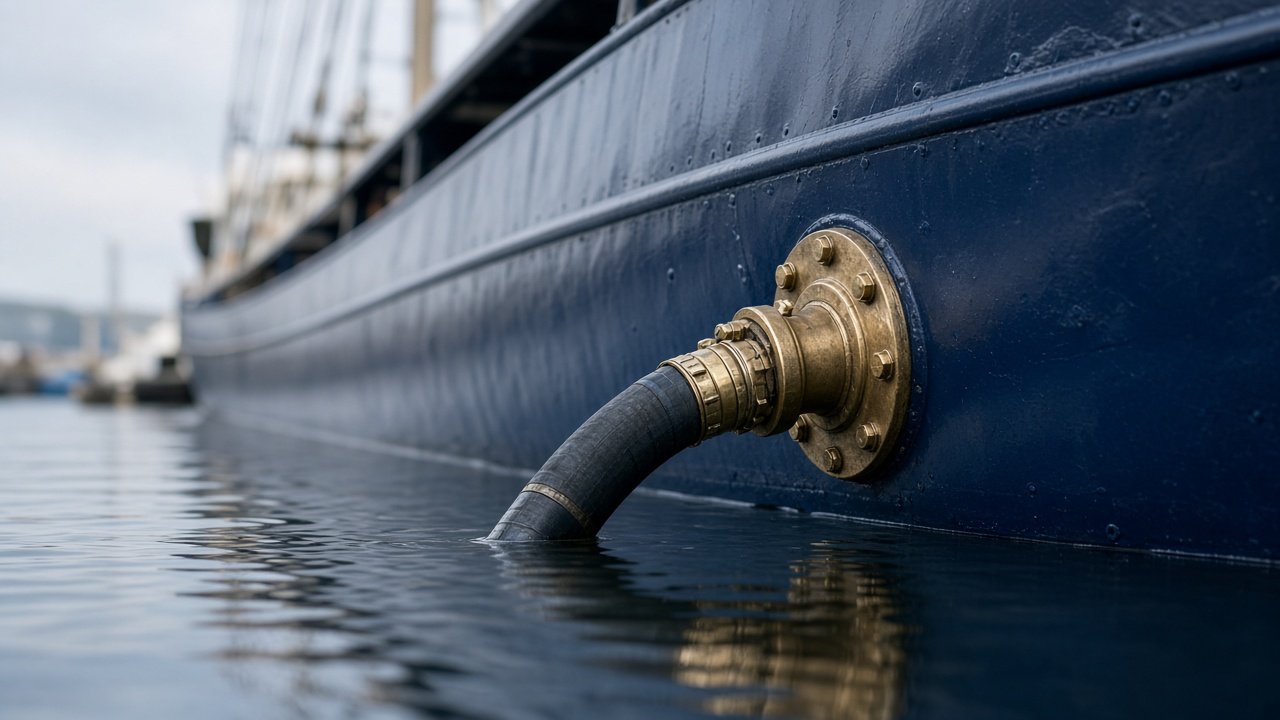
Vessel waste handling needs a plan, a contractor who is allowed to take that waste, and a record that matches what actually left the ship. Sludge, oily bilge and garbage are not interchangeable. They can involve different procedures, different reception facilities and different entries in the ship’s books. Treating them as one “disposal job” because the port stay is short is how quantities get rounded and categories get mixed. Environmental responsibility is also a way of keeping the port call orderly. An inspector, a class surveyor or the next Master will ask the same question: what was discharged, where, and how do you know?
Before the operation, the vessel and the shore coordinator should agree four things. The waste category. The estimated quantity. The collection window. The documents that will be signed. Local port requirements and the MARPOL obligations that apply to that waste should be checked for the specific call, not assumed from a previous country. A method that was acceptable elsewhere may be refused here, and the time to learn that is before hoses are connected.
Describe the waste as the facility will see it
Engine-room staff usually know the sounding better than the agent does. Use their figure, and say whether it is sludge, bilge or another oily residue. For garbage, separate plastics, food waste, domestic garbage and operational waste if the port expects that separation. An estimate can be revised. A vague estimate cannot be planned. If the quantity may be higher than declared, say so. Facilities and boats are scheduled against a number, and a number that doubles on arrival can mean a partial collection or a missed tide.
Tell the coordinator about practical limits as well. Which side of the ship is free. Whether cargo work blocks the connection. Whether pumping is restricted to daylight. Whether the anchorage, rather than the berth, is the real location. A reception craft that cannot lie safely alongside is not a paperwork problem. It is a reason to change the plan. The same is true of road tankers that cannot reach a particular gate. These constraints belong in the first message.
Use authorized facilities and keep the receipt
Licensed contractors and authorized facilities exist so the waste has a legal destination. A cheaper unofficial option is not a saving if the ship cannot show where the waste went. Ask for the receipt or certificate the port recognises, and check the vessel name, the date, the waste type and the quantity before the ship sails. If the paper will follow after departure, name the person ashore who will obtain it and the address on the ship that must receive it. Lost certificates become the Master’s problem at the next inspection, long after the contractor has moved on.
If the quantity pumped differs from the request, write the difference down at the time. Do not “correct” the certificate to match the noon report. A partial discharge should be described as partial. The Oil Record Book and the Garbage Record Book remain the ship’s documents. Shore receipts support those entries. They do not replace the Master’s judgement about what to record. If a proposed collection would not meet the rules for that waste, stop and replan. Completing an irregular landing to protect a departure slot is the expensive version of the delay you were trying to avoid.
Fold waste into the rest of the call
Waste collection shares the berth window with stores, crew and repairs. Put it on the same timetable. The duty engineer should know when the craft will arrive, and the duty officer should know if a launch is also expected. One coordinated hour is calmer than three overlapping boats. After the job, file the certificate with the port papers and send a copy to the operator if that is the company practice.
VERKAN MARITIME coordinates sludge, bilge and garbage disposal with licensed contractors and authorized facilities. Share the category, the estimated quantity and the vessel’s window. The desk will confirm what can be received at that call and which papers you should expect to hold.