
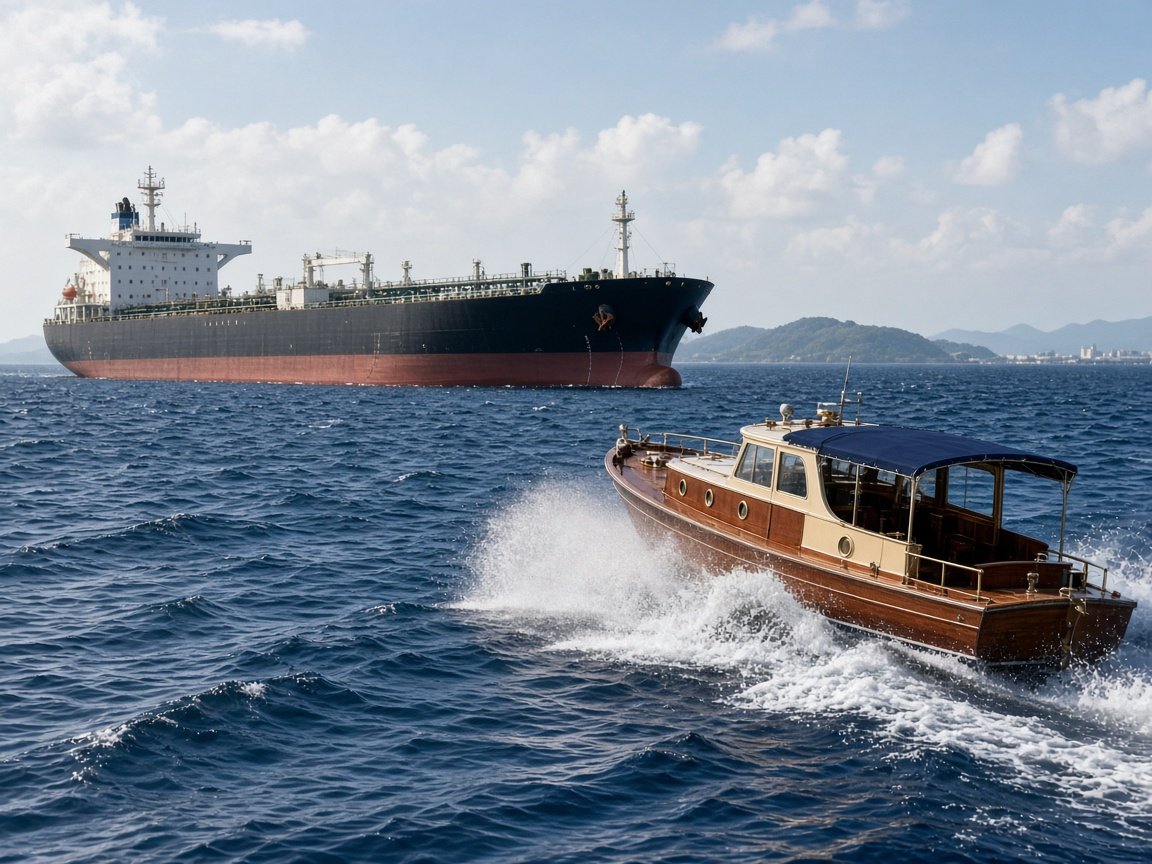
A vessel at anchorage still needs people and stores, and the only road to the gangway is the water. VERKAN MARITIME coordinates launch boats for crew transfers, delivery of spares and provisions, and the boarding or landing of surveyors, technicians and superintendents. The work is planned around the ship’s position, the sea state the operator will accept, and the safety standard of the boat that is actually sent.
Offshore support fails when it is booked like a taxi: a time, a vague location, and a hope that the ship will be ready. Anchorage positions change, pilots move the ship, and a launch that arrives while the crew are in a critical operation waits at the ship’s expense or is sent away. The desk treats every run as a small operation with a named vessel, a position or anchorage, a purpose, a passenger or cargo list, and a contact on board who can call it off.
What the launch can be used for
Crew joins and signs off through the launch when the ship is not alongside, with baggage kept to what the boat and the pilot ladder can safely handle. Provisions, spare parts and documents move on the same principle: weight, dimensions and handling are known before the boat leaves the pier. Surveyors, service engineers and owner’s representatives are embarked or landed against a list the Master has agreed. A combined run — people plus a small consignment — is arranged when it is safe and the ship wants it. It is split when cargo would crowd the passengers or when the timings do not match.
The boats used are operated by parties VERKAN is prepared to send to a client’s ship: suited to the distance, equipped for the number of people, and working inside the port’s rules. Weather and daylight limits are respected. A run that looks possible on a spreadsheet and unwise on the water is postponed, and the ship is told why. Punctuality matters, and so does the decision not to force a transfer.
- Crew transfers at anchorage, with a manifest and a contact on board
- Delivery of spares, provisions and documents
- Boarding and landing of surveyors and technicians
- A stop decision when weather or the ship’s operation makes the run unsafe
How a run is arranged
Send the vessel name, anchorage or offshore location, the requested time, the purpose, the number of people and a description of any cargo. Include a phone that the bridge will answer. VERKAN confirms boat availability, the pier the passengers should use, and the notice required if the position changes. Passengers receive a meeting point and a cutoff. If they miss it, the boat does not wait indefinitely while the ship’s window closes. Cargo is delivered to the pier early enough to be checked against the list.
Before departure, the boat has the ship’s name and a way to identify her, and the ship knows the boat’s name and ETA. The duty officer prepares the ladder or gangway only when the boat is near, in line with the ship’s own safety practice. On arrival alongside, transfers happen one movement at a time. After the run, the desk confirms who embarked, who landed, and what cargo was signed for. If the ship shifts anchorage during the transit, the Master’s update is passed to the boat immediately. Guesswork about which ship in a crowded anchorage is the right one is not acceptable.
Combining offshore work with other services
Launch movements often carry the result of another VERKAN service: a crew change, a spare part, a provision order or a Cash to Master delivery. Booking them as one plan keeps the boat count down and gives the Master a single timetable. Each element still has its own record. A signed stores receipt is not a substitute for a passenger count, and a CTM acknowledgement is handled with the discretion that service requires, not discussed among unrelated passengers.
Share the location, the purpose, the timing and the contact on board. The Singapore desk will confirm whether a boat can be coordinated for that operation and what the ship should have ready when it comes alongside.